The leaf guard market is crowded, and not every product on the shelf actually performs. Rather than take a manufacturer's word for it, we installed several different guard styles on our own homes and shops and watched how each one held up through real Idaho weather.
What We Tested
Over several years, we field tested a handful of leaf guard products, inspecting each one during rainstorms to see which actually kept debris out while letting water through efficiently. Some performed well. Others created new problems, like shedding water over the front of the gutter entirely during heavy rain.
When a Leaf Guard Makes Sense
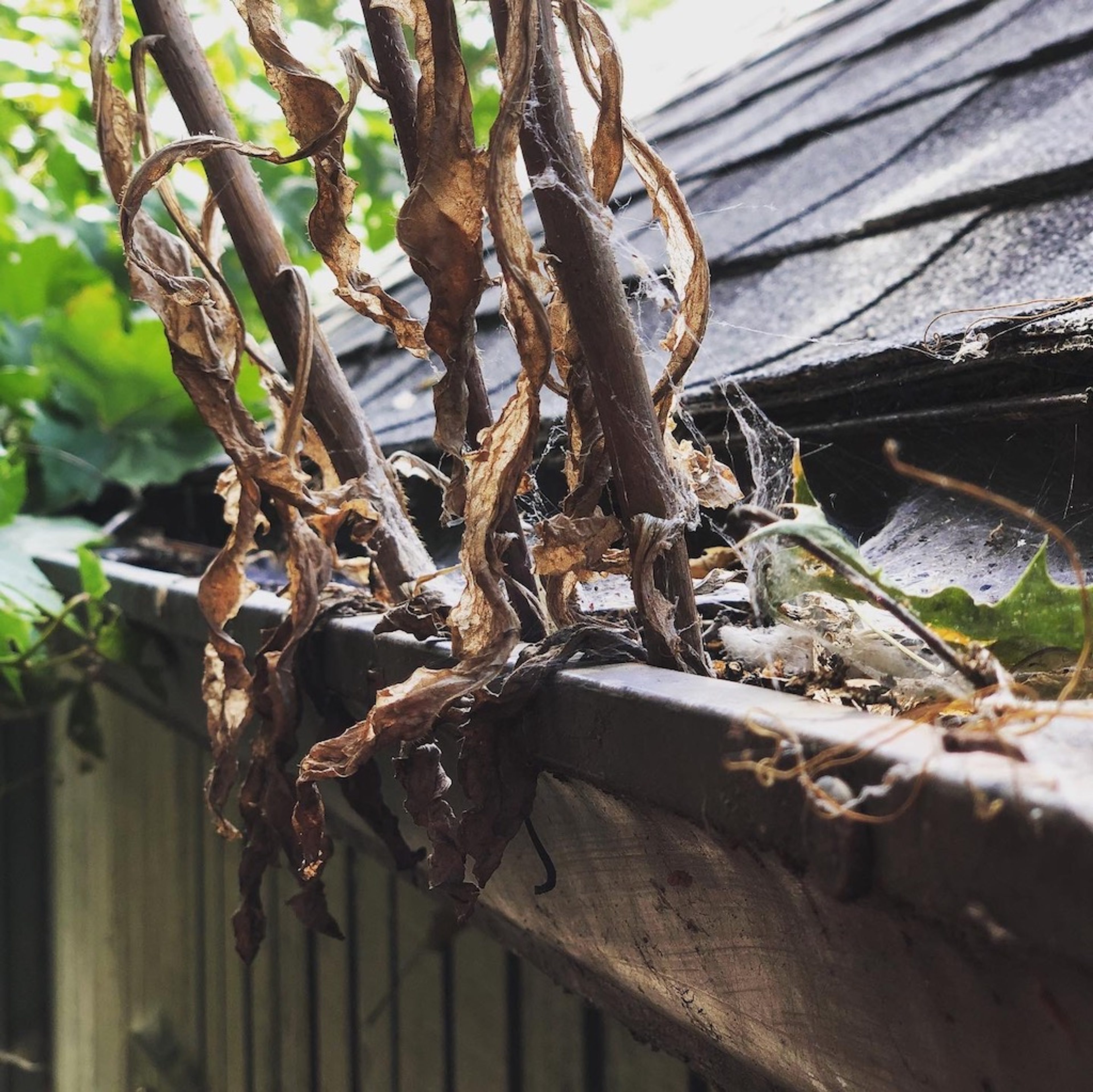
If your home is surrounded by mature trees, especially cottonwoods, pines, or anything that drops needles or fluff, a leaf guard will meaningfully cut down how often you need a cleaning. For a home with little to no tree cover, the upfront cost may not be worth it.
What a Leaf Guard Will Not Do
No guard eliminates cleaning entirely. Fine debris like shingle grit and cottonwood seed can still collect on top of a guard over time, so an occasional light cleaning is still part of ownership. Think of a good leaf guard as cutting your cleaning frequency significantly, not eliminating it.
Getting the Right Fit
The best guard for your home depends on your roof pitch, gutter profile, and the specific trees nearby. We make that recommendation after seeing your property, not before, because the wrong guard on the wrong roof can perform worse than no guard at all.
Ben Beers
Ben founded Idaho Seamless Gutter out of a shop in Greenleaf, Idaho in 2017 after years of experience in roofing and remodeling. He still runs estimates and installs alongside the crew.